How to Audit Your Professional AI: A Practical Framework for Businesses
Learn how to audit business AI with a practical framework for inventory, risk assessment, data security, evaluations, monitoring, and accountability.

Artificial intelligence is moving into customer support, software development, analytics, marketing, finance, human resources, and internal operations. Many organizations now use AI through everyday software as well as dedicated assistants, internal applications, and automated agents. The opportunity is significant, but so is the responsibility to understand what these systems do, what information they access, and how their performance is monitored.
A professional AI audit is not simply a review of the model itself. It examines the complete workflow, including data, integrations, permissions, human decisions, business outcomes, and the people responsible for managing risk. The goal is to replace assumptions with evidence and make AI use easier to govern as it grows.
Build an inventory of AI across the business
Start by identifying where AI is already being used. Include tools purchased by the organization, AI features built into existing software, approved employee assistants, internally developed applications, retrieval-augmented generation (RAG) systems, and agents that use external tools. Do not assume that every use case will be visible to the central technology team.
For each use case, record its purpose, business owner, vendor or model where known, data sources, connected systems, user groups, and whether it only provides recommendations or can take actions. Include the importance of the process it supports and the consequences if it produces a wrong answer.
A complete inventory helps leadership see duplicated spending, unapproved uses, sensitive data flows, and high-impact systems that need closer attention. It also creates a starting point for deciding which use cases should be reviewed first.
Classify risk according to the consequences
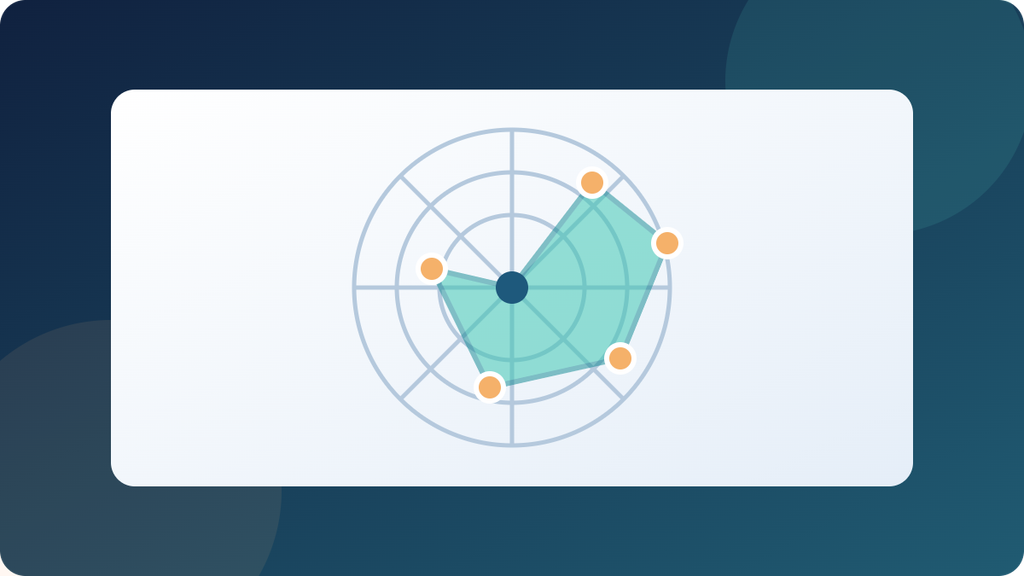
Not every AI application needs the same level of scrutiny. A tool that helps draft an internal meeting agenda has a different risk profile from one that influences hiring, financial eligibility, customer access, or critical operational decisions.
Assess the sensitivity of the data, the number of people affected, the likelihood and severity of harm, the reversibility of mistakes, and the level of human oversight available. Record why a use case received its risk rating and who accepted the remaining risk. Review the rating when the system’s purpose, users, data, or capabilities change.
Legal and regulatory requirements depend on the jurisdiction and application. A general audit framework can help identify issues, but it does not replace legal advice or a review of the requirements that apply to a specific business process.
Risk classification is most useful when it changes how the system is managed. A low-impact internal writing assistant may be allowed to operate with ordinary review and basic safeguards, while a tool that affects a customer’s eligibility or a financial record may require independent testing, documented approvals, and closer monitoring. Record why the control level was chosen, who accepted the remaining risk, and what new information would trigger another review.
Examine data quality, privacy, and security
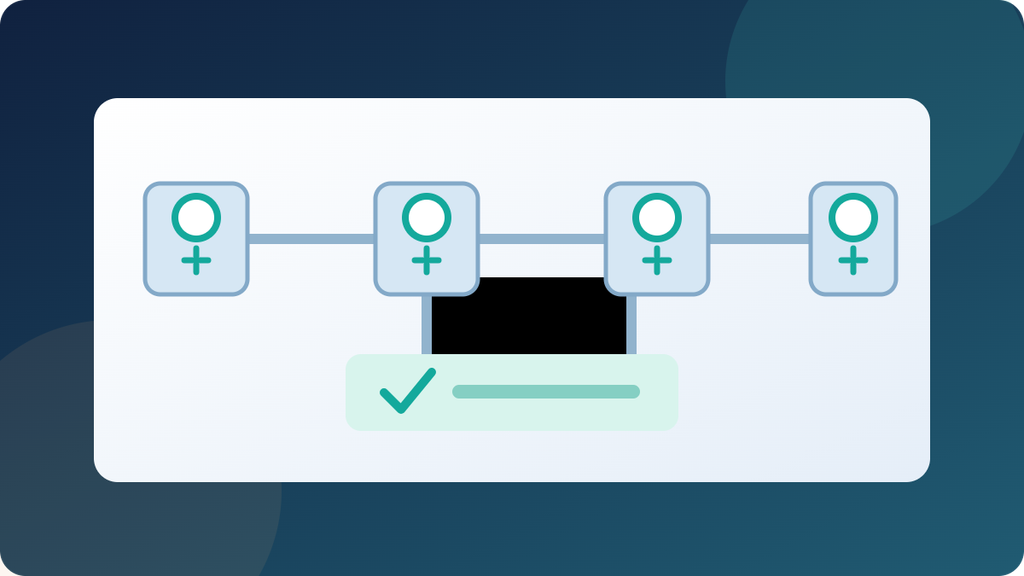
AI systems are only as useful as the information and controls surrounding them. Establish where the data comes from, whether it is current and appropriate, who is allowed to access it, and how it is retained or deleted. Confirm that vendor arrangements and account settings match the sensitivity of the information being processed.
For retrieval systems, test whether users can access only the documents they are authorized to see. For connected agents, inspect the permissions of every tool and integration. Authorization should be enforced by the application and destination system, not left solely to the model’s judgment.
A data-flow map makes this review easier to maintain. Show where information originates, which service receives it, where it is stored, which users or agents can retrieve it, and where the result is sent. The map should include external vendors and downstream business applications, not just the model. When a provider, integration, or data source changes, the team can use the map to identify which privacy, access, and security controls need to be checked again.
OWASP’s guidance on excessive agency describes how unnecessary functionality, broad permissions, and too much autonomy can increase the impact of mistakes or misuse. Organizations should grant only the capabilities needed for each task and introduce approval gates for actions that could materially affect customers, employees, finances, or business records.
Test AI against real business tasks
A polished demonstration does not establish that a system will perform reliably in production. Build a set of representative tasks using real patterns of work, including edge cases, incomplete information, ambiguous requests, outdated documents, and malicious instructions embedded in untrusted content.
Decide what success means before running the tests. Depending on the use case, measures may include factual accuracy, grounding in approved sources, correct escalation, data leakage, task completion, human correction rate, response time, and cost. Avoid relying on one average score that could hide a serious failure in a smaller but important category.
Repeat evaluations when the model, prompt, retrieval corpus, tools, or workflow changes. Record the test data, criteria, results, known limitations, and release decision so the organization can explain why a system was approved.
Assign ownership and monitor the system after launch
An AI audit should identify who is accountable for the business outcome, who maintains the technical system, who approves changes, and who responds to incidents. Users should know what the system can and cannot do, when human review is required, and where to report a problem.
Monitoring should look for meaningful changes in performance, unusual tool activity, repeated errors, escalating costs, and patterns of user complaints. Keep appropriate records of model and configuration changes. Establish a way to pause, roll back, or retire a workflow if it begins causing harm.
NIST’s AI Risk Management Framework provides a voluntary structure organized around governing, mapping, measuring, and managing AI risk. Its Generative AI Profile offers additional considerations for generative systems. These resources can help teams build a consistent process, but the controls still need to reflect the organization’s actual risks and operating environment.
Turn the audit into a continuous process
An audit should lead to decisions, not just a report. Prioritize the gaps that create the greatest risk, assign each one an owner and due date, and document whether the system can proceed, must operate with restrictions, or should not launch until a critical issue is resolved. Revisit the assessment when the system changes and on a schedule appropriate to its impact.
The strongest AI programs combine clear ownership, appropriate permissions, repeatable evaluations, ongoing monitoring, and a practical incident process. This makes it easier to expand successful use cases without treating every new tool as an entirely separate governance problem.
In the next article, “Is Your AI Going Off the Rails? How to Detect and Prevent Uncontrolled AI Behavior,” we look more closely at warning signs such as unexpected tool use, prompt injection, repeated actions, and how to contain problems before they spread.